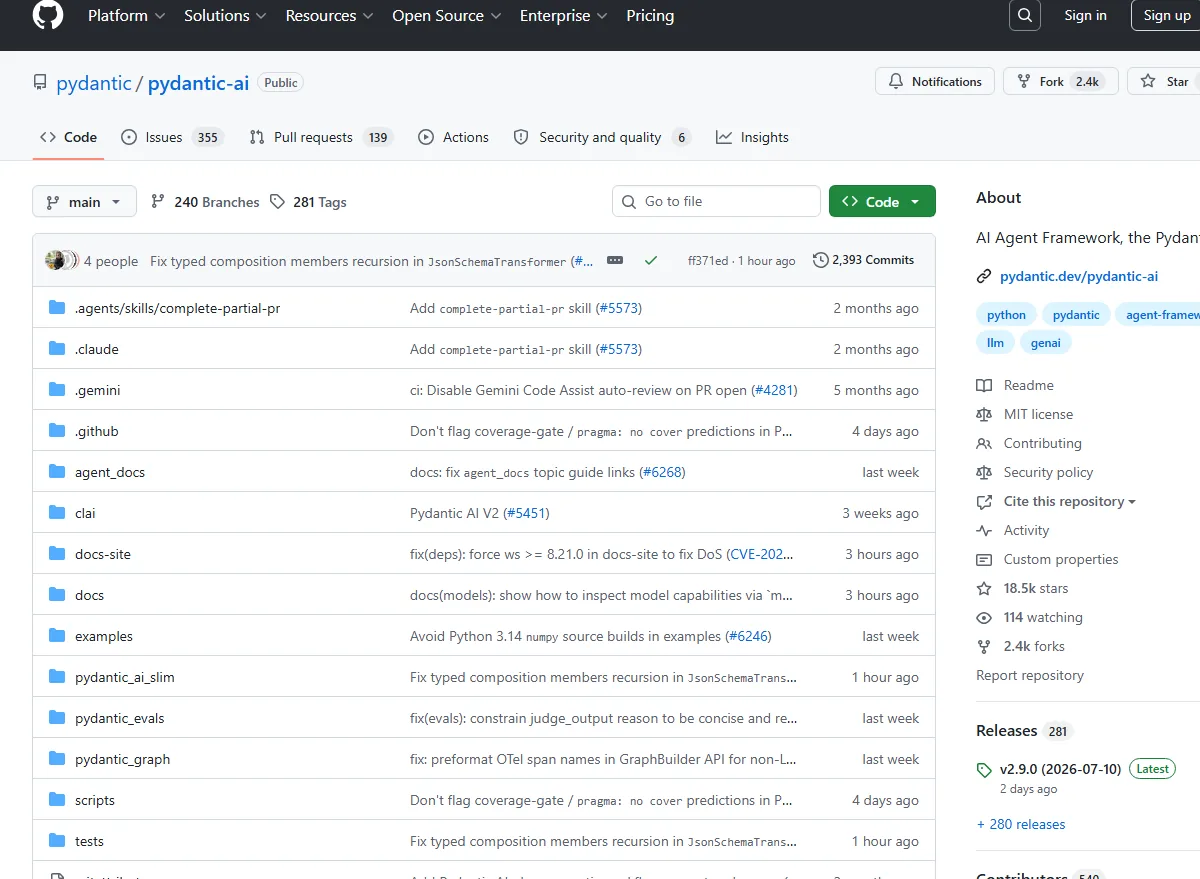
Pydantic AI is the agent framework that the Python community has been waiting for: built by the team behind Pydantic, model-agnostic, deeply type-safe, and designed to give you that “if it compiles, it works” confidence in production-grade GenAI apps.
I remember the first time I tried FastAPI. It was 2019, and I was knee-deep in a Django REST project, fighting with serializers and validation logic. Then someone handed me a link to this new framework. Three lines of code later, I had a working API with automatic OpenAPI docs. I remember thinking: this is how building software should feel—effortless, elegant, and backed by rock-solid type safety.
Fast-forward a few years later. I’m building agentic workflows with LLMs, and the landscape looks… different. There are a dozen frameworks out there, each with its own quirks, its own DSL, its own idea of what an “agent” should be. LangChain? Feels like SQLAlchemy in 2012—powerful but labyrinthine. CrewAI? Fun, but try to hook it into your existing observability pipeline. Instructor? Clever, but limited in scope.
I kept thinking: where’s the FastAPI of AI agents?
Then the Pydantic team shipped Pydantic AI. And honestly? It’s exactly what I’d been looking for.
The Pydantic Paradox—and Why It Matters
Here’s something wild: virtually every Python LLM library uses Pydantic under the hood. OpenAI SDK? Pydantic. Anthropic SDK? Pydantic. LangChain, LlamaIndex, AutoGPT, Transformers, CrewAI, Instructor—you name it, they all depend on Pydantic validation. It’s the invisible backbone of the entire Python AI ecosystem.
So the question becomes: why use a derivative when you can go straight to the source?
That’s not just a marketing tagline—it’s a design philosophy. Pydantic AI is built by the same team that maintains the validation library that everyone else is building on. They understand the data flow, the edge cases, the performance bottlenecks better than anyone. And they’ve poured that expertise into a framework that doesn’t abstract away Pydantic—it embraces it.
Model Agnosticism Done Right
I’ve lost count of how many times I’ve had to swap out an LLM provider mid-project. Maybe Anthropic’s Claude is better at reasoning, or Gemini has cheaper pricing, or a client wants to run everything on-prem with Ollama. With most frameworks, switching models means rewriting half your agent code.
Pydantic AI supports virtually every model and provider you’ve heard of—OpenAI, Anthropic, Gemini, DeepSeek, Grok, Cohere, Mistral, Perplexity, and cloud platforms like Azure AI Foundry, Amazon Bedrock, Google Cloud, Ollama, LiteLLM, Groq, OpenRouter, Together AI, Fireworks AI, Cerebras, Hugging Face, GitHub, Heroku, Vercel, Nebius, OVHcloud, Alibaba Cloud, SambaNova, and Z.AI.
But here’s the kicker: if your favorite provider isn’t on that list, you can implement a custom model in a few hours. The abstraction is clean, the interface is minimal, and the documentation walks you through it.
I swapped from gpt-5.2 to claude-sonnet-4-6 in exactly one line change. One line. No reams of configuration, no breaking changes to my tools or instructions.
Type Safety That Makes You Sleep Better
Here’s my controversial take: most agent frameworks are dynamically typed nightmares. You pass dictionaries around, hope the keys exist, and discover runtime errors when your agent tries to call a tool with the wrong argument type.
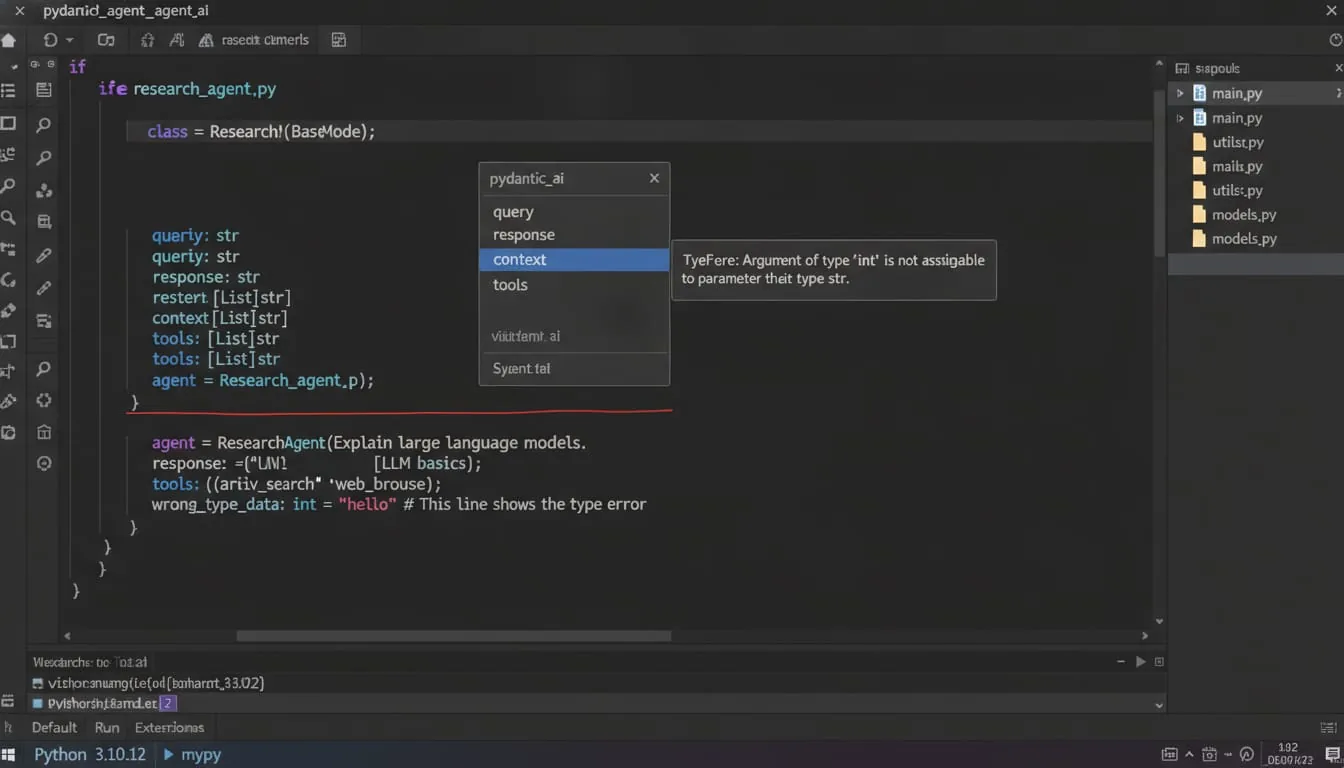
Pydantic AI is different. It’s fully type-safe—your IDE knows exactly what your agent’s dependencies look like, what output structure it returns, and what arguments each tool expects. That means the kind of errors that would normally blow up at 3 AM during a demo now get caught the moment you hit Save.
The code feels almost Rust-like in its confidence: if it passes type checking, it probably works. (Sorry, Rustaceans, I know you never say “probably,” but let’s be realistic about Python.)
The secret sauce is Python’s type hint system combined with Pydantic’s validation. The Agent class is generic: Agent[DepsT, OutputT]. Your static type checker can trace the flow from dependency injection to tool calls to final output. No more guessing what shape your data is in.
Dependency Injection That Makes You Smile
I’ve seen too many agent frameworks where passing “context” to your tools means threading a global variable or stuffing everything into a **kwargs dict. It’s messy, it’s untestable, and it breaks the moment your project grows.
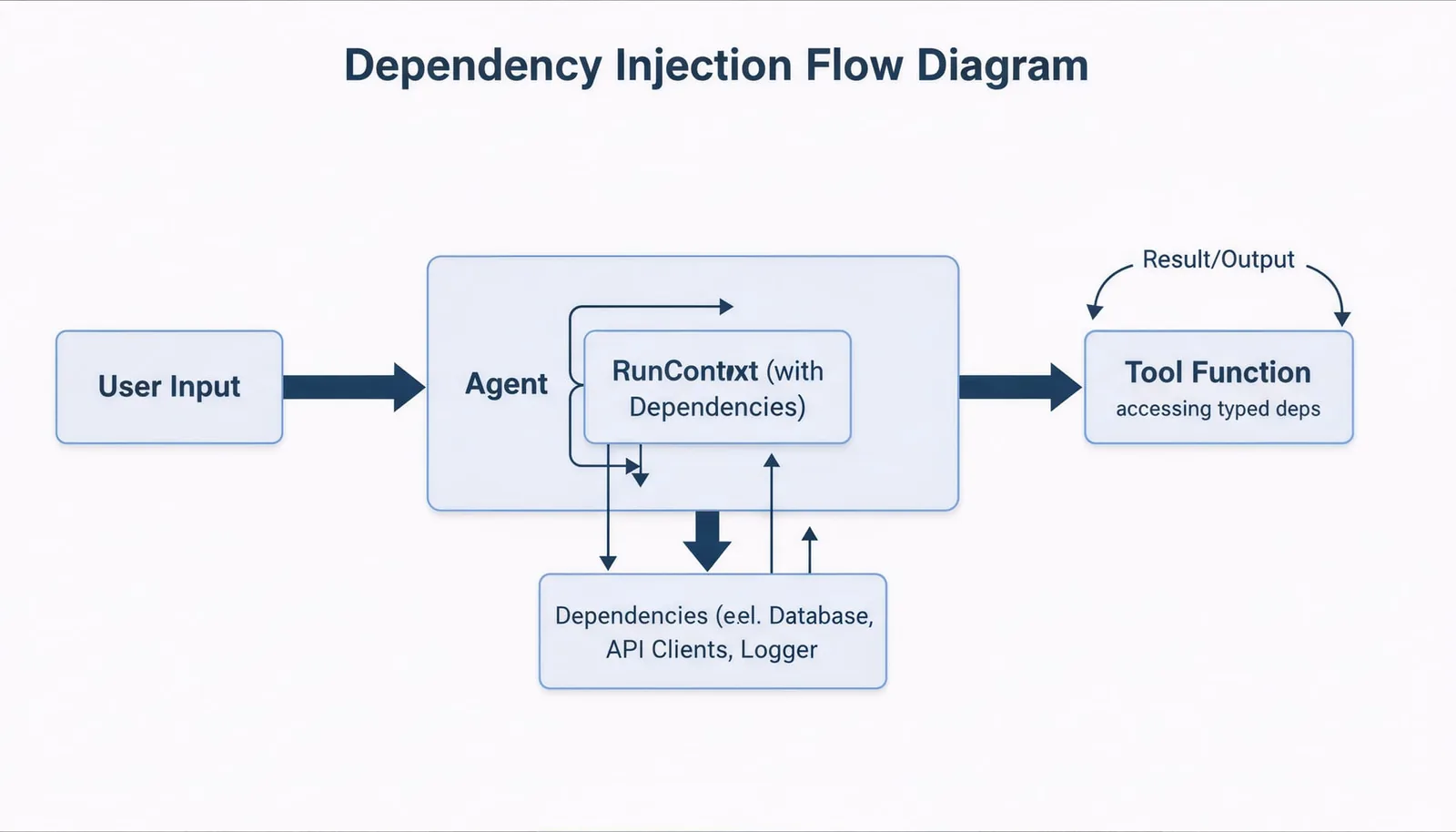
Pydantic AI has a built-in dependency injection system designed for agents. You define a @dataclass or Pydantic model for your dependencies (database connection, customer ID, whatever), and the agent carries it via RunContext. Tools can access ctx.deps with full type safety.
Look at the bank support example in the README:
@dataclass
class SupportDependencies:
    customer_id: int
    db: DatabaseConn

support_agent = Agent(
    'openai:gpt-5.2',
    deps_type=SupportDependencies,
    output_type=SupportOutput,
    instructions='You are a support agent in our bank...'
)

@support_agent.tool
async def customer_balance(
    ctx: RunContext[SupportDependencies],
    include_pending: bool
) -> float:
    """Returns the customer's current account balance."""
    balance = await ctx.deps.db.customer_balance(
        id=ctx.deps.customer_id,
        include_pending=include_pending,
    )
    return balance
That’s it. The type checker knows that ctx.deps has .customer_id and .db. It knows that include_pending is a boolean. If you misspell a key or pass the wrong type, you’ll know before you even run the code. Try doing that with a plain **kwargs approach.
Observability: Because Debugging Agents Is Hell
Let’s be honest: debugging an LLM-powered agent is a nightmare. The model makes non-deterministic calls, tool invocations happen asynchronously, and you have zero visibility into what’s happening unless you go fishing through logs.
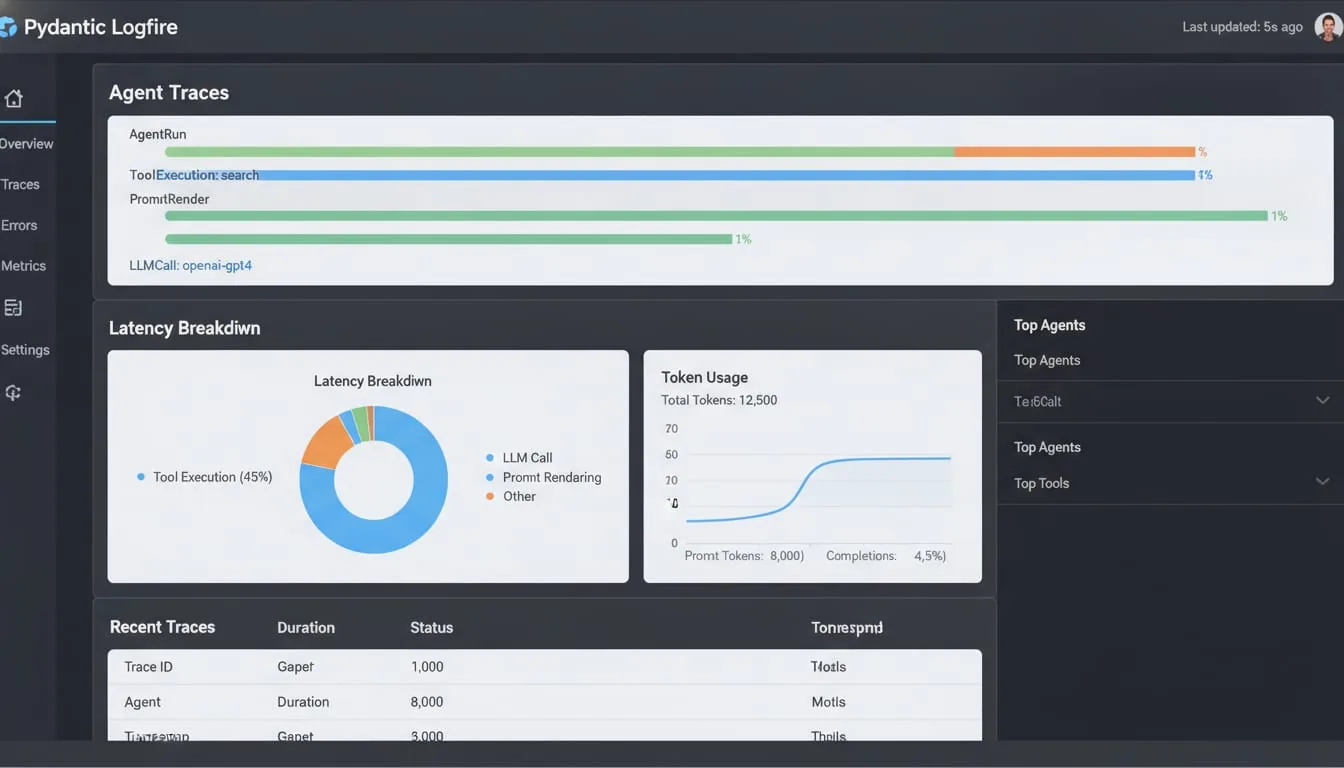
Pydantic AI integrates tightly with Pydantic Logfire, the team’s general-purpose OpenTelemetry observability platform. You get real-time tracing of every message exchange, every tool call, every token, every latency spike. You can watch your agent think, re-prompt, and decide—like a debugger for AI.
Here’s the thing: you might already use Datadog or New Relic or some other OpenTelemetry-compatible backend. That works too. Pydantic AI exports standard OTel spans, so you can plug it into whatever observability stack you already have.
But if you want the full, integrated experience—with evals, cost tracking, and behavior monitoring out of the box—Logfire is a no-brainer. The demo where you see latency per model call, per tool, and watch the agent’s “thinking” step unfold in real-time? That’s the kind of insight that turns debugging from a time sink into a delightful investigation.
Capabilities: Composable Building Blocks
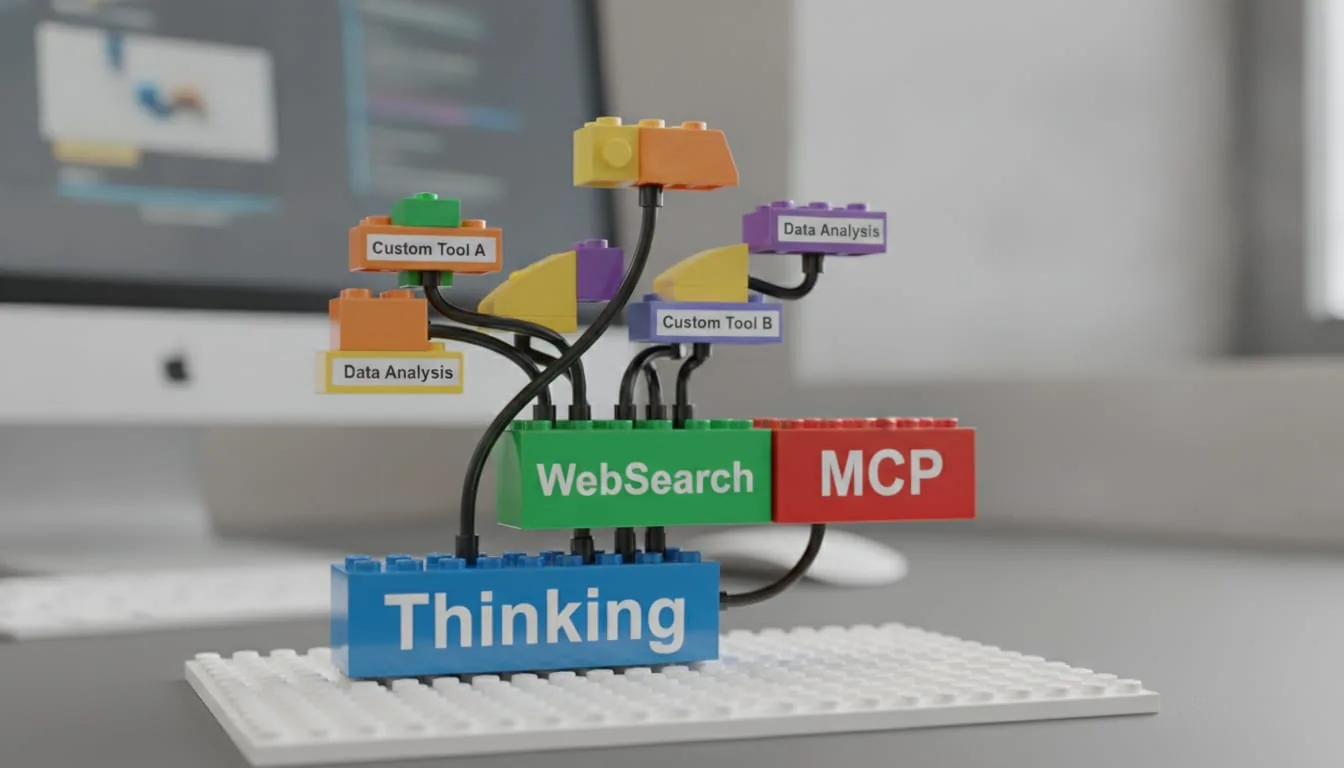
One thing that annoyed me about other frameworks was the monolithic “agent” class that tried to do everything. Want web search? There’s a method for that. Thinking? Another method. MCP servers? Yet another integration.
Pydantic AI takes a different approach: capabilities are composable units that bundle tools, hooks, instructions, and model settings. You can mix and match them, build your own, or install third-party packages from the Pydantic AI Harness library.
The README shows this beautifully:
from pydantic_ai.capabilities import Thinking, WebSearch

agent = Agent(
    'anthropic:claude-sonnet-4-6',
    instructions='Be concise, reply with one sentence.',
    capabilities=[Thinking(), WebSearch()],
)
Two lines of capability, and suddenly your agent can think step-by-step and search the web for real-time data. You can even define entire agents in YAML or JSON—no code required. That’s a game changer for teams where non-developers need to configure agent behavior.
The Kitchen Sink (in a Good Way)
Honestly, the list of features in Pydantic AI is almost intimidating. Let me hit the ones that made me nod approvingly:
-
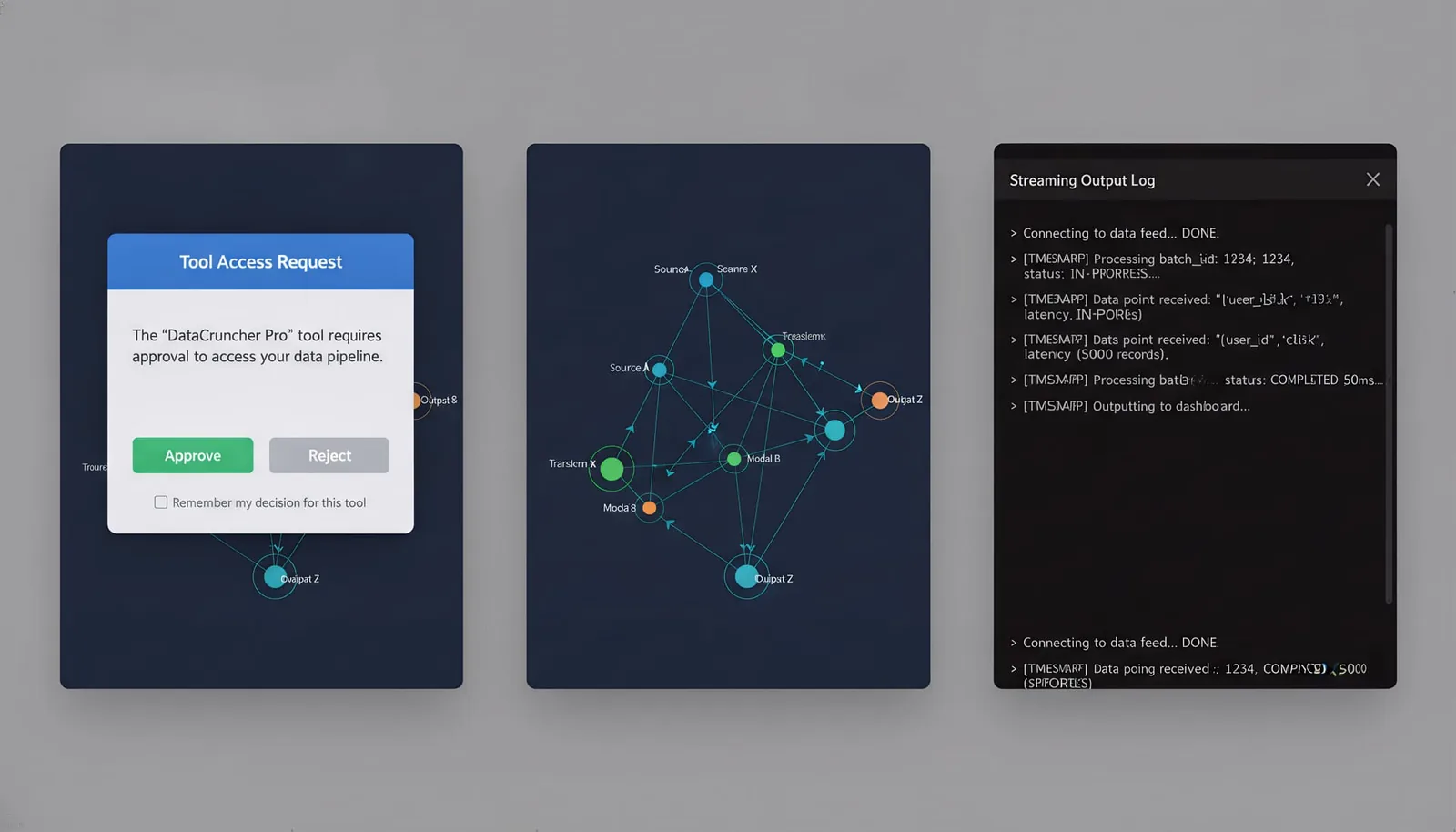
Human-in-the-Loop Tool Approval: Flag certain tool calls that require manual approval before execution. The approval can depend on arguments, conversation history, or user preferences. Finally, a safe way to let agents call destructive actions.
-
Durable Execution: Agents can survive transient API failures and application restarts. They preserve progress across crashes. Long-running workflows with human loops? No problem.
-
Streamed Structured Outputs: Continuously stream structured data with immediate validation. Your frontend can start rendering results before the agent finishes thinking.
-
Graph Support: Define state machines using type hints. When your agent logic gets complex, you can avoid spaghetti code by modeling it as a typed graph. Pydantic enforces the structure at compile time.
-
MCP Integration: The Model Context Protocol is built in, giving your agent access to external tools and data over standard event streams.
I haven’t used all of these in production yet, but the fact that they’re first-class citizens—not afterthoughts—tells me the team has actually built production systems and learned what hurts.
The “Hello World” Moment
Let’s be real: the best way to judge a framework is to write the simplest possible thing and see how it feels.
from pydantic_ai import Agent

agent = Agent(
    'anthropic:claude-sonnet-4-6',
    instructions='Be concise, reply with one sentence.',
)

result = agent.run_sync('Where does "hello world" come from?')
print(result.output)
# The first known use of "hello, world" was in a 1974 textbook about the C programming language.
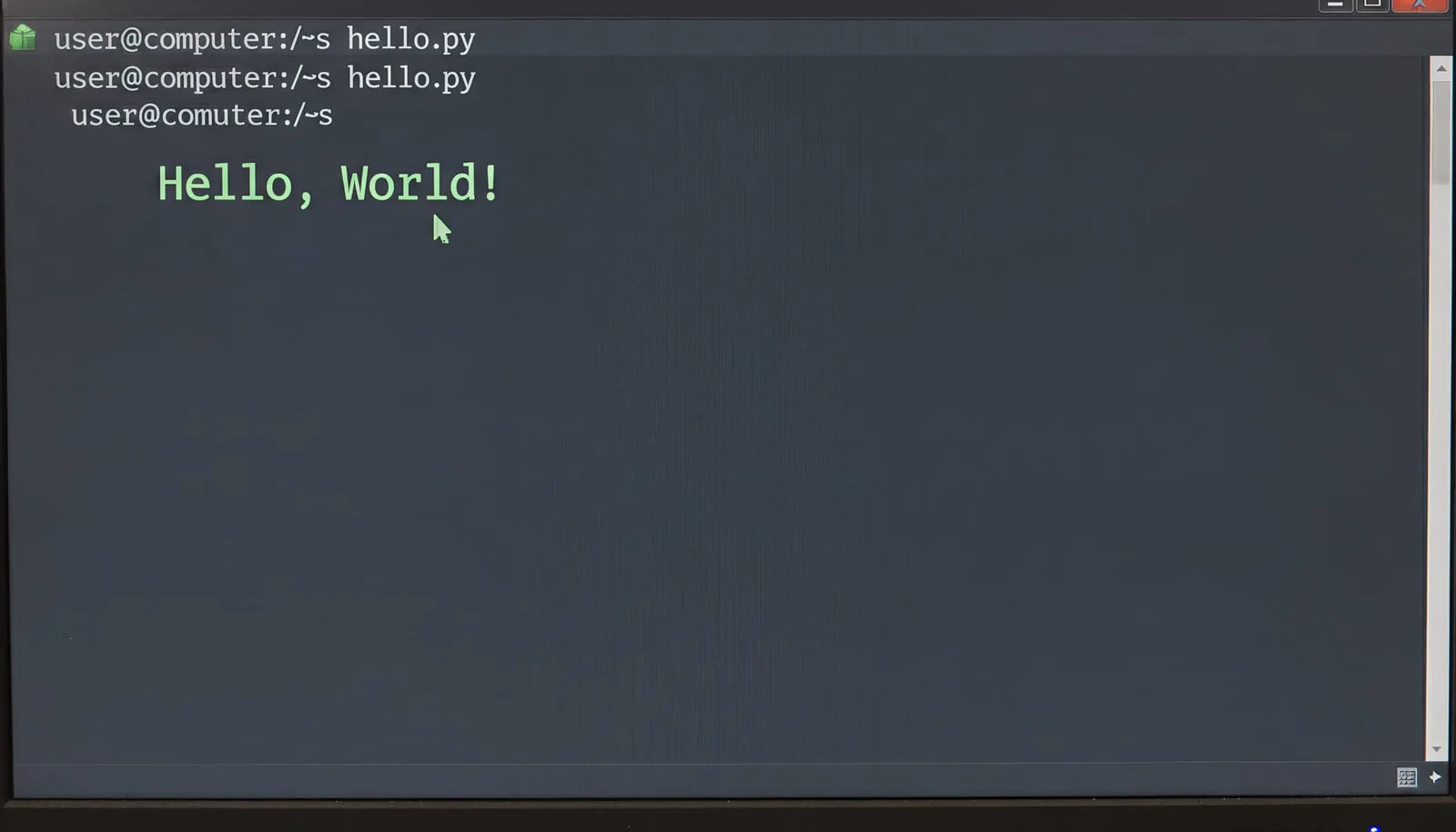
Four lines of code. No boilerplate. No confusing configuration. It just works.
Now add thinking and web search? Two extra lines. Add a custom tool? A decorator. Add structured output? A Pydantic model as the output_type.
The learning curve is almost flat—if you know Pydantic and Python type hints, you’re 90% there. And if you don’t, you’ll learn them fast because the framework rewards good typing.
Real Example: Bank Support Agent
I want to highlight the bank support agent example from the README, because it demonstrates nearly every feature in fewer than 50 lines. You get:
- Dependency injection (customer ID, database connection)
- Structured output with validation (SupportOutput model)
- Dynamic instructions (injects customer name at runtime)
- Type-safe tools (balance function with validated arguments)
- Async run loop (handles multiple messages automatically)
The code is clean, readable, and type-checkable. When I first read it, I thought, “I could build a real production system around this pattern.”
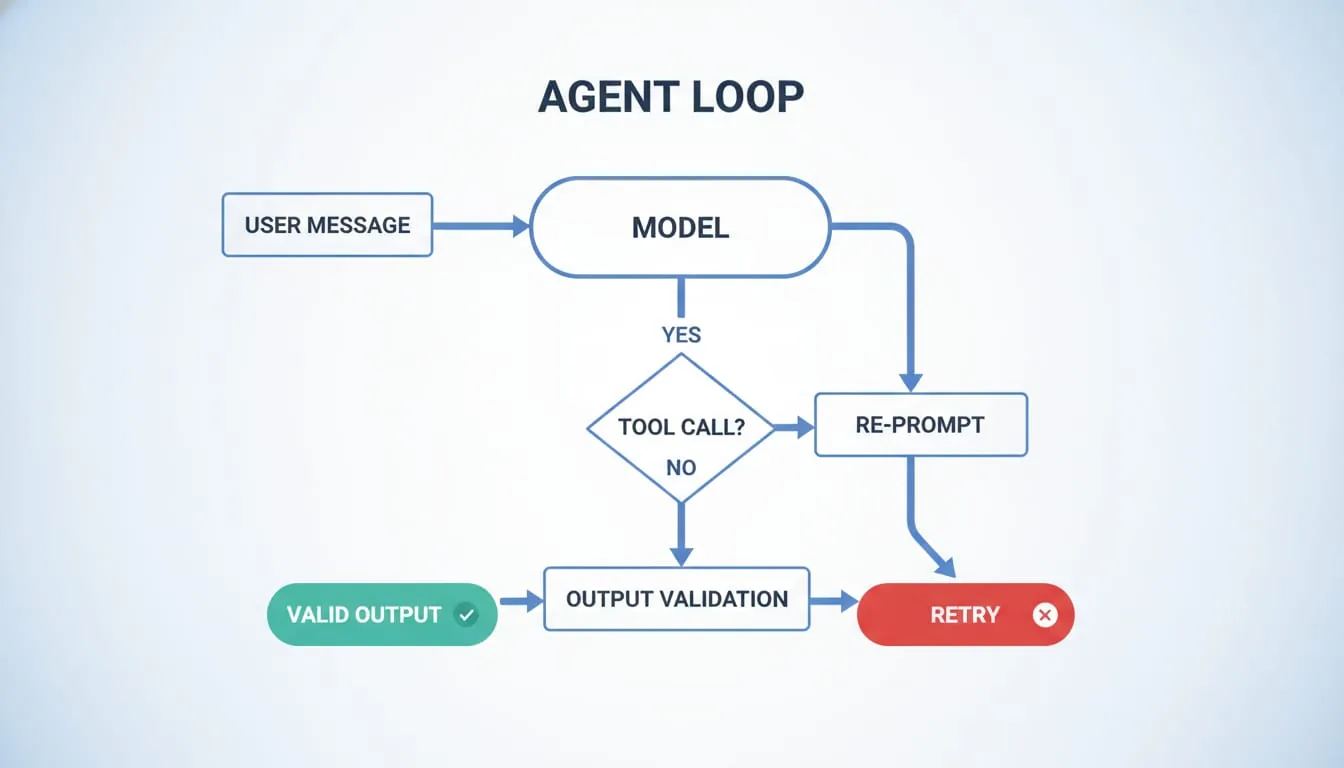
Here’s the kicker: the agent handles multiple turns internally—tool calls, re-prompting, output validation—all without you writing a state machine. It just loops until it produces a valid SupportOutput. If validation fails, the agent tries again, guided by the error.
That “try until valid” pattern is built into the framework. You don’t have to implement retry logic or validation loops yourself. It’s another example of the team thinking about real-world failure modes.
The Pydantic Stack: More Than Just an Agent Framework
Pydantic AI doesn’t exist in a vacuum. It’s part of what the team calls the “Pydantic Stack”—three products that work together seamlessly:
- Pydantic AI: The agent framework we’re talking about.
- Pydantic Logfire: The observability platform (OpenTelemetry-based).
- Logfire AI Gateway: A unified LLM proxy.
The vision is clear: build your agents with Pydantic AI, monitor them with Logfire, and manage API access with the AI Gateway. Everything is designed to interoperate, share the same type system, and give you end-to-end control.
You don’t have to use all three—they’re modular and work independently. But if you’re building at scale, the integrated stack is compelling. I’ve already heard from teams that moved from a mishmash of tools to this stack and cut their debugging time in half.
Should You Use Pydantic AI?
Look, I’m not going to tell you it’s perfect for every use case. If you need a no-code agent builder with a drag-and-drop interface, this isn’t it. If you’re allergic to type annotations, you’ll find the framework unnecessarily rigid. And if you’re already deeply invested in LangChain with thousands of lines of custom code, migrating might not be worth the effort.
But if you’re starting a new project, or you’re tired of fighting against your framework’s abstractions, or you just want the same “FastAPI feeling” that made you fall in love with Python web development in the first place—give Pydantic AI a spin.
Install it, run the hello world, then gradually add capabilities. Notice how the type checker catches mistakes. Notice how the error messages are helpful. Notice how easy it is to swap models or add observability.
I did, and I haven’t looked back.
What’s Next?
The Pydantic team is iterating fast. The GitHub repo already shows active development on more integrations, improved graph support, and richer capability libraries. The community on Slack is responsive and helpful.
My prediction? Pydantic AI will become the default choice for Python-based agent development, much like FastAPI became the default for Python APIs. The same ingredients are there: a trusted team, a developer-first design, and a relentless focus on type safety.
But don’t take my word for it. Clone the repo, run pip install pydantic-ai, and write your first agent. I suspect you’ll feel it too—that click of pieces falling into place, that sense of “oh, this is how it should have been all along.”
That’s the Pydantic way. And it’s finally here for agents.